When it comes to transporting large machinery, whether it's construction equipment, industrial machinery, or oversized vehicles, selecting the right hauling service is critical. Heavy equipment transport is not only about moving large items from one place to another; it requires careful planning, specialized vehicles, and a deep understanding of logistics to ensure safe, secure, and timely delivery. In Dallas, where the construction and industrial sectors are booming, the need for machinery hauling services is significant. In this guide, we’ll provide you with essential tips and insights to ensure that your heavy equipment is transported safely and efficiently within Dallas and beyond.
1. Understanding the Basics of Machinery Hauling
Machinery hauling refers to the transportation of heavy equipment that exceeds the size or weight limits for regular vehicles. These heavy-duty machines are typically used in industries such as construction, manufacturing, agriculture, and mining. Machinery hauling requires specialized trucks, trailers, and equipment that can handle the weight and dimensions of the machinery being transported.
In Dallas, machinery hauling services are essential for businesses that rely on heavy equipment to carry out their day-to-day operations. From cranes and bulldozers to generators and heavy vehicles, transporting this machinery requires professional expertise to prevent delays, damage, and compliance issues.
2. Types of Machinery Hauling Vehicles
Not all machinery is the same, so the transport vehicle used for hauling must be suited to the size, weight, and type of equipment being moved. Here are some of the most common types of vehicles used in machinery hauling:
- Flatbed Trailers: These are the most common trailers used for machinery hauling, providing a flat, open platform that allows for easy loading and unloading. Ideal for standard-sized equipment. Lowboy Trailers: Lowboy trailers are designed for transporting taller machinery, offering a lower deck that keeps the center of gravity low. These are ideal for heavy equipment like cranes and excavators. Step Deck Trailers: Step deck trailers have a lower platform at the rear, allowing for taller loads while maintaining a safe center of gravity. They are used for medium-sized equipment that doesn’t fit the height restrictions of a standard trailer. Removable Gooseneck (RGN) Trailers: These trailers allow heavy equipment to be driven directly onto the trailer, with a removable gooseneck that provides easy access for loading. They are used for extremely large and heavy machinery.
The type of vehicle you’ll need depends on your equipment’s size, weight, and the specific logistics of your transport needs. Working with a trusted machinery hauling service in Dallas will ensure that the right equipment is chosen for your load.
3. Permits and Regulations for Heavy Equipment Transport
In Dallas, as well as other cities in Texas, oversized and overweight machinery must be transported according to specific laws and regulations. Failure to comply with these regulations can result in fines, delays, or damage to your equipment. It is essential to obtain the correct permits before transporting heavy machinery.
Common permits for machinery hauling include:
- Oversized Load Permits: Required when the equipment exceeds the legal dimensions for width, height, or length. These permits allow the equipment to be moved legally on public roads. Overweight Permits: Necessary for loads that exceed the standard weight limits for vehicles. These permits ensure that the transport vehicle can handle the load without causing damage to infrastructure. Escort Vehicle Permits: Escort vehicles are often required for oversized or overweight loads. These vehicles help manage traffic and ensure safe passage through busy or narrow areas. Route Surveys: Some routes in Dallas may not be suitable for oversized equipment. A route survey is conducted to determine the safest path for the equipment, avoiding obstacles such as low bridges or narrow roads.
Most professional machinery hauling companies in Dallas will handle the permit process for you, ensuring that all necessary documents are in place before transportation begins.
4. Loading and Unloading Heavy Equipment
Loading and unloading heavy machinery Machinery shipping services Dallas requires precision and care. Improper loading can result in damage to the equipment or even accidents. Machinery hauling companies in Dallas use specialized equipment such as cranes, forklifts, or winches to ensure safe and secure loading and unloading of heavy equipment.
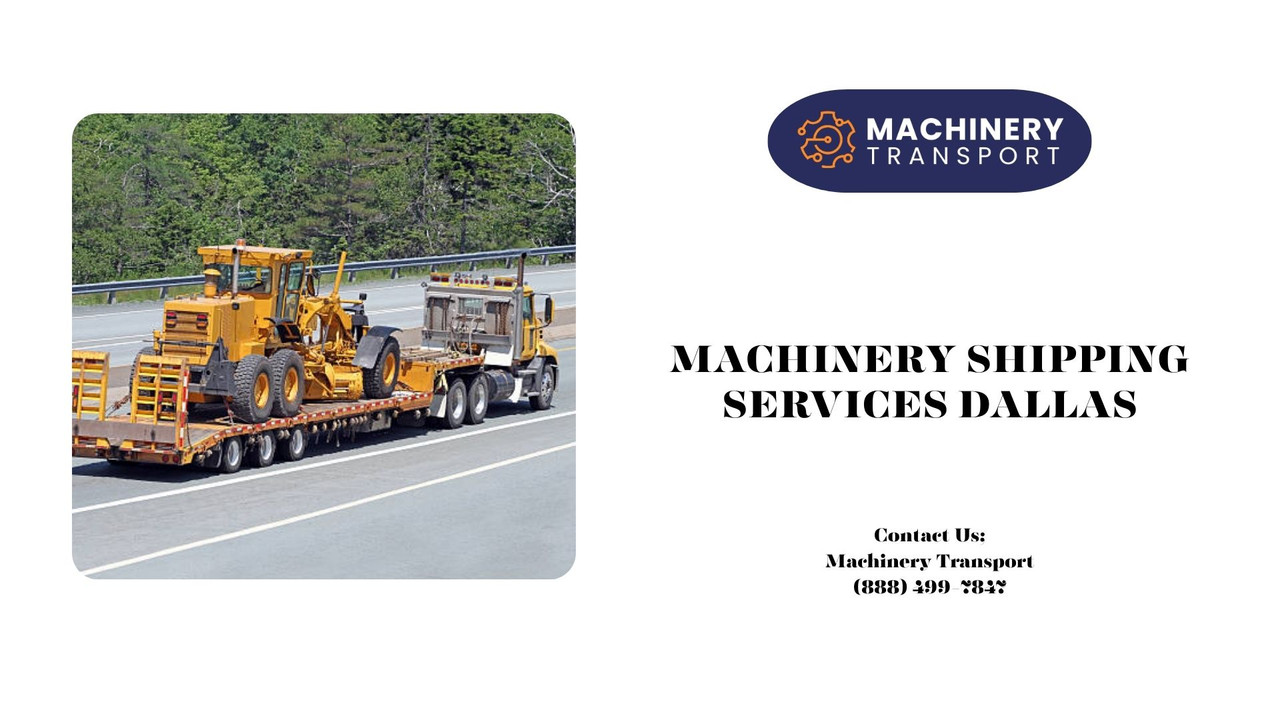
Here’s what you can expect during the loading and unloading process:
- Preparation: Before loading, the equipment is inspected to ensure there are no loose parts or damages. This step ensures that the machinery is ready for safe transport. Securing the Load: The equipment is securely fastened using heavy-duty tie-downs, chains, or straps to prevent any movement during transit. Proper securing ensures that the machinery remains stable and safe during the journey. Unloading: Upon arrival at the destination, the equipment is carefully unloaded, usually with the same equipment used to load it. Special care is taken to place the equipment exactly where it’s needed.
Safety during loading and unloading is paramount to prevent accidents and ensure the integrity of your machinery. Always work with experienced machinery hauling services to guarantee that this process is handled correctly.
5. Route Planning for Heavy Equipment Transport
Route planning is a crucial aspect of heavy equipment transport, especially for oversized loads. In Dallas, certain routes may not be suitable for large machinery due to weight restrictions, height limits, or narrow roads. Proper route planning ensures that your equipment travels the safest and most efficient route possible, minimizing the risk of delays or damage.
Factors to consider in route planning include:
- Road Restrictions: Some roads may have weight or height restrictions that can prevent oversized equipment from traveling safely. These restrictions must be accounted for to avoid detours or delays. Traffic and Construction Zones: Traffic and road construction can cause significant delays. A professional hauling company will plan the route to avoid congestion and disruptions, ensuring that the equipment arrives on time. Weather Conditions: Bad weather can impact the safety and efficiency of transport. Hauling companies monitor weather conditions and make adjustments to the route or transport schedule if necessary.
Experienced machinery hauling services in Dallas are well-versed in navigating these challenges and can plan the most efficient route to ensure safe and timely delivery.
6. Costs of Machinery Hauling Services in Dallas
The cost of machinery hauling services in Dallas can vary depending on several factors, including the size and weight of the equipment, the distance of the transport, the type of trailer used, and any special requirements such as permits or escorts. Here are the main factors that influence the cost:
- Equipment Size and Weight: Larger and heavier equipment requires more specialized trailers and equipment, which can increase the cost of transport. Distance: The longer the distance between the pickup and delivery locations, the higher the cost. Long-distance transport may also incur additional charges for permits and route surveys. Permits and Escorts: If your machinery exceeds standard size or weight limits, you’ll need to factor in the cost of permits and escort vehicles. Loading and Unloading: Specialized equipment for loading and unloading can add to the cost, especially if cranes or other heavy-duty equipment are needed.
To get an accurate quote for your machinery hauling services, provide the transport company with all necessary details about your equipment, the transport route, and any special requirements. This will help the company give you a precise estimate with no hidden costs.
7. Choosing the Right Machinery Hauling Service in Dallas
Choosing the right machinery hauling service in Dallas is essential to ensure the safe and efficient transport of your equipment. When evaluating potential transport companies, keep the following factors in mind:
- Experience: Look for a company with a proven track record in transporting heavy machinery. The more experience they have, the more likely they are to handle your equipment with care. Licensing and Insurance: Ensure the company is fully licensed and insured to handle oversized loads. This protects your equipment during transport. Reputation: Check reviews, ask for references, and inquire about the company’s reputation in the industry. A reliable company will have positive feedback from previous clients. Customer Service: A good transport company will offer excellent customer service, providing clear communication and timely updates throughout the shipping process.
By selecting a reputable, experienced, and reliable machinery hauling company, you can ensure that your equipment is transported safely and efficiently, with minimal delays or issues.
8. Conclusion
Machinery hauling in Dallas requires careful planning, proper logistics, and attention to detail to ensure that your heavy equipment is transported safely and on time. By considering factors such as permits, route planning, vehicle selection, and pricing, you can ensure a smooth transport experience for your business.
When choosing a machinery hauling service, work with an experienced and reliable company that understands the challenges of heavy equipment transport. With the right transport partner, you can have peace of mind knowing that your equipment will reach its destination safely and efficiently.
Contact Us
Company: Machinery Transport
Phone: (888) 499-7847